Icicles can thaw your idyllic winter – and even lead to serious issues
Icicles dangling from your home’s gutters may be a sign that problems are about to gush in.
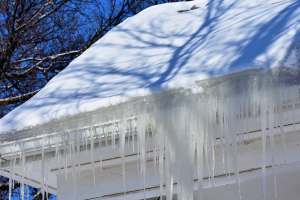
While pretty to look at, icicles can be the sign of an ice dam, which occurs when melting snow or clogged gutters cause water to collect and freeze on the roof. Ice dams are typically a sign that water is collecting where it is not expected.
Many people think icicles are one of winter’s picturesque images. If your roof faces the south, you may even see icicles forming during the day as sun melts the snow. Yet icicles elsewhere on the roof, or with significant ice buildup on the roof, can potentially lead to significant issues. Icicles can be the sign of an ice dam, which occurs when melting snow or clogged gutters cause water to collect and freeze on the roof. Ice dams are typically a sign that water is collecting where it is not expected – and can even be causing damage.
“My concern would be the level of insulation that they have up in the attic, or if they have air sealing issues,” said Steve Hite, energy services supervisor for Hendricks Power Cooperative. “When snow lands on the roof, you want that snow to melt at the top, outside. It’s the opposite when you see ice damming and the icicles forming. You have the heat from the home escaping to the attic, and melting the bottom of the snow, the part touching the shingles.”
Improper air sealing in the attic can cause issues, as leaks also can allow the warm air to escape into the attic and lead to melting snow. A lack of attic insulation can cause the home’s conditioned heated air to escape into the attic and melt snow on the roof.
Icicles also can form because of clogged gutters, which can prevent water from draining as intended. As temperatures drop below freezing, water trapped in gutters can freeze and form an ice dam. Over time, snow melting then refreezing can cause the ice dam to get larger – and at risk of causing damage once that water melts again.
“Water damage is the big issue, because that water ends up getting trapped, and it’ll actually go up underneath shingles,” Hite said. “It can actually come all the way into the house and cause issues with your drywall and water damage as well.”
You can prevent the potential for water buildup by ensuring that your gutters are clean of debris such as old leaves. If you are concerned about possible issues in your attic, you can contact a qualified contractor to request a blower door test. This will determine where air leakage is located, so you can figure how to best address the issue. You also can contact your local electric cooperative’s energy advisor with questions about your home’s energy use.